samodH Porawagamage

All the Salty Sand in Our Mouths
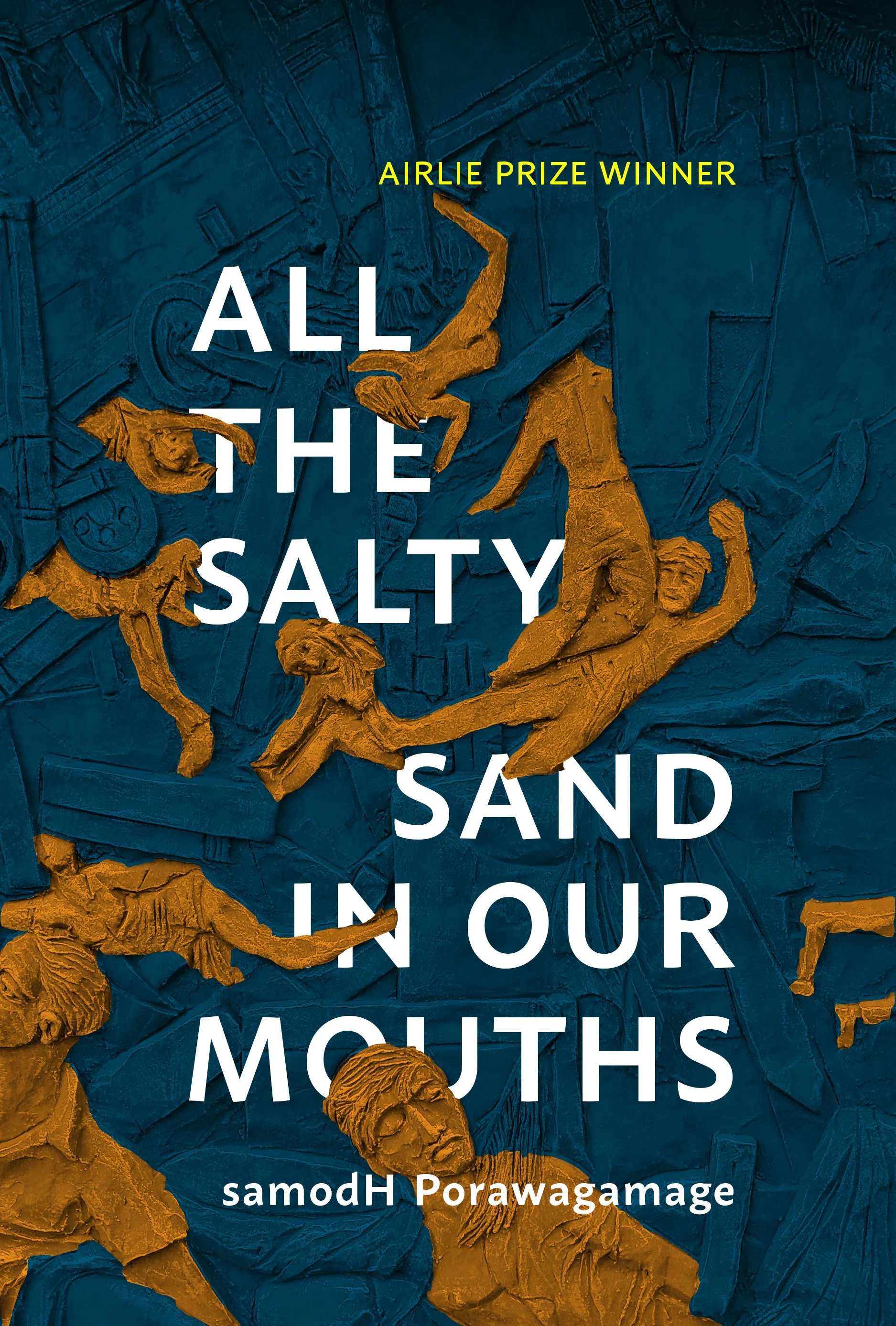


All the Salty Sand in Our Mouths is a child’s chronicle of the 2004 tsunami that devastated Sri Lanka. Its 4 sections deal with the onset of the tsunami, its immediate aftermath, the long traumatic aftermath, and the experiences of tsunami survivors and victims. This firmly place-based collection takes a leaf out of Muriel Rukeyser's highly influential The Book of the Dead and documents a disaster without sensationalizing, trivializing, or glorifying it.


Cover design: Kenji Liu
ISBN:
978-1-950404-19-3
Paperback:
$18
Publication date:
September 1, 2026
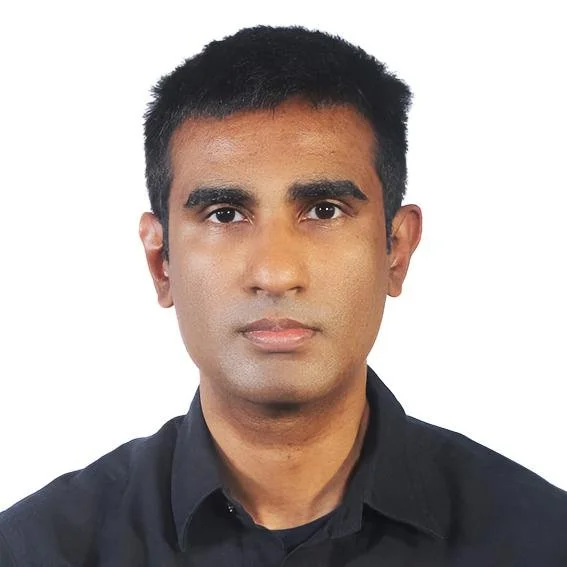
samodH Porawagamage is the author of becoming sam (Burnside Review Press) and All the Salty Sand in Our Mouths. His writing focuses on the Sri Lankan Civil War, poverty & underdevelopment, colonial & imperial atrocities, and disproportionate impacts of climate change on rural & marginalized communities.

Praise for All the Salty Sand in Our Mouths

All the Salty Sand in Our Mouths is a formally inventive and deeply felt exploration of disaster, time, memory, and narrative. The 2004 Indian Ocean tsunami provides the central motif—as a calamitous event and a long shadow—for the hybrid assemblage of poems, “interviews,” and letters, suggesting that catastrophe itself demands fragmented forms to be even partially understood. Porawagamage blends lyricism, humor, and high tragedy with remarkable ease, crafting a work that recognizes the presence of the afterlives of disaster and thus refuses easy endings. The collection reveals how catastrophe becomes embedded not only in individual and collective consciousness but also in the very genres through which we attempt its narration. All the Salty Sand in Our Mouths will help redefine how we read, write, and imagine disaster today. —Pallavi Rastogi, author of Postcolonial Disaster: Narrating Catastrophe in the Twenty-First Century

All the Salty Sand in Our Mouths is a book about disaster, yet also a book about language and its power. samodH Porawagamage’s second collection documents the tragedy of the 2004 tsunami in Sri Lanka and its aftermath. The speaker observes, “The tsunami crossed me over into another realm,” and the poems investigate this realm.  Through lyric and narrative modes, as well as epistolary forms and interviews, this collection explores what it means to mourn and elegize and document. Porawagamage writes, “What is drawn in water /doesn’t survive//the full circle of a letter/with a stick.’  And yet this is most of all a book about survival. —Nicole Cooley, author of Mother Water Ash

Excerpt from All the Salty Sand in Our Mouths

Dear Su,

I’m no longer afraid of them, but I am convinced that ghosts exist! There’s a horde of them under this very table nibbling at my toenails, which haven’t grown for three months. Enough with jokes: Even newspapers report on creepy seaside hauntings with pictures! What I dip into, though, is a mishmash of consciousness. The Tsunami crossed me over into another realm and returned a part of me infected with something from it—that explains the outcast I’ve become at school. Balancing life and afterlife is like juggling a bead and a basketball while staring at the sun. This morning, I skipped the mandatory swimming class again and re-appeared into visibility for the next period. The Section Head summoned me to her office and insisted that I disclose my whereabouts. I stayed quiet because she won’t even understand, let alone null my forced marriage with afterlife.